

A fresh perspective on how pop culture shaped Japan’s monetary policy outcomes
Available in paperback and as an ebook at www.amazon.co.jp, www.amazon.com and Amazon sites worldwide
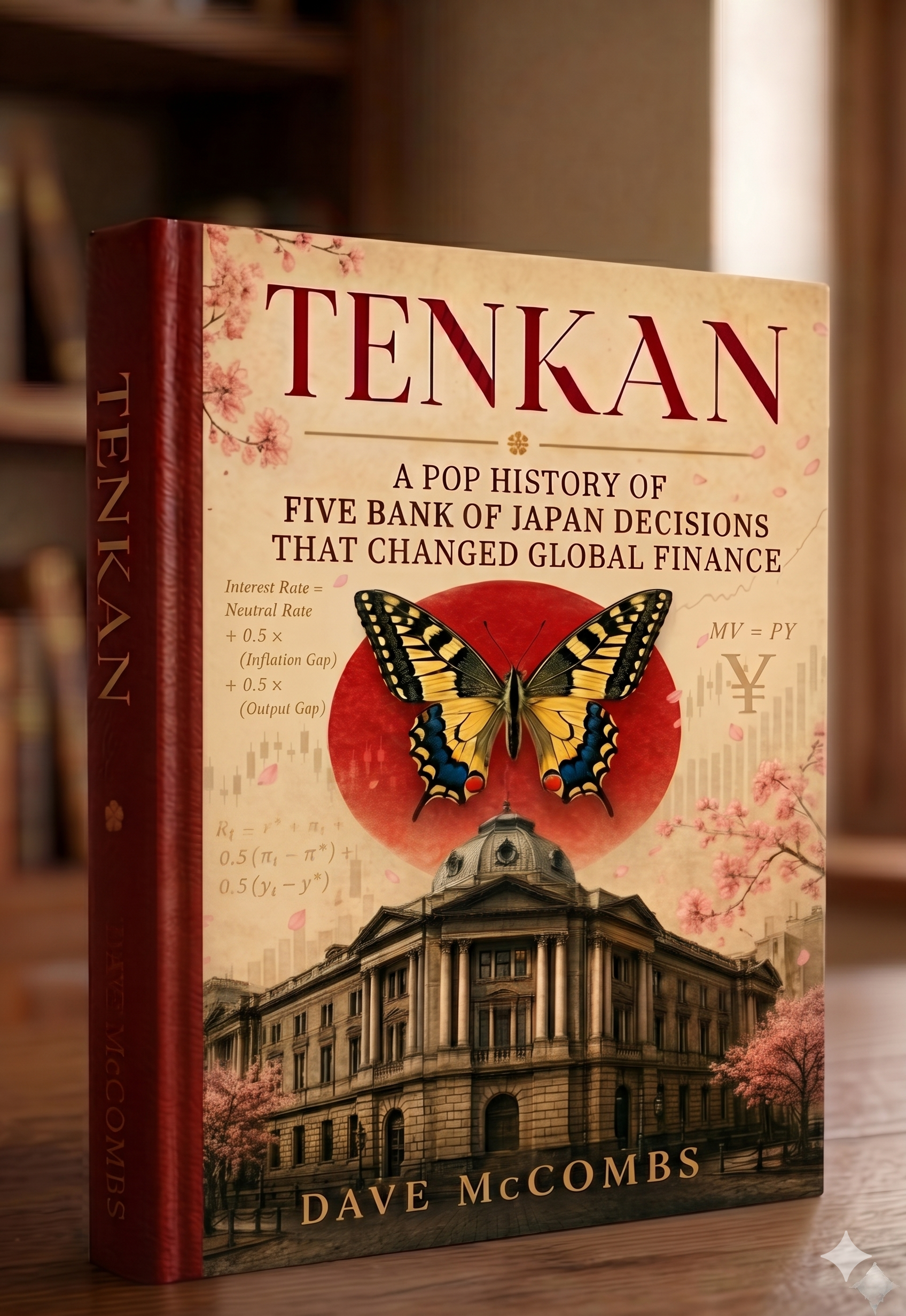
TENKAN: Japan’s Central Bank and the Tenor of Its Times
For decades, the Bank of Japan chased an idea it could never quite catch. It cut rates to zero. It printed money by the trillions. It bought government bonds, corporate bonds, even shares in Japanese companies, in quantities no central bank had ever attempted. And still, inflation refused to arrive.
Then, in 2022, consumer prices started surging on their own. Not because of anything the BOJ did, but because a pandemic snarled the world's supply chains and a war in Ukraine sent energy prices soaring. The central bank that spent two decades trying to manufacture inflation finally got it, delivered by forces entirely outside its control. That’s just one of the ironies underlying the story of Tenkan.
The book traces five turning points, from the Nixon Shock in 1971 to the aftermath of the pandemic in 2024, when Japan's central bankers made decisions that rippled far beyond Tokyo. It draws on economist Robert Shiller's idea that markets move as much on the stories people tell each other as on the numbers in a spreadsheet.Tenkan looks at what Japan was watching, reading, and listening to at each turning point, along with the yield curves, inflation rates and growth outlook. What a hit song or a blockbuster film reveals about the public mood turns out to matter more than most economists admit.
Tenkan’s narrative is built around the people who ran the world's second-largest economy (then) through oil shocks, an asset bubble that inflated and popped spectacularly, a stock market that lost more than half its value, and a currency crisis that forced Tokyo and Washington into a room together in 1985. Their choices, and the culture that shaped them, offer a case study in how monetary policy actually works, and how often the results are not what anyone expects.
Readers interested in central banking, financial history, or modern Japan will find a clear-eyed account of institutions under pressure. Readers who just want a good story will find one, told through characters who were never quite in full control of the forces they were trying to manage.
More titles by Dave McCombs due out fall and winter 2026
Pop Culture Moments That Matter
Pop hits can explain and even help predict economic trends. Whether its songs, films, TV or books, the choices consumers make reveal the stories they are living within. Those narratives contain insight about what people fear, crave and aspire to.
The Popnomics Index, first introduced in Tenkan, converts pop culture consumption into data that can both reveal and forecast trends. This book uses that data to explain big economic swings over the past half century. It also explains how the index is calculated and charted and why that can convert the whims of consumers into meaningful data on economic conditions.

Zombie Narratives
Sanewashed (coming December 2026) delivers a forensic autopsy of modern political discourse in America. The chapters are adapted from 21 essays in The Bunkerbuster, published on Substack, focusing on how pre-existing narratives often distort the news.
The book shows how right-wing "ideotainment" and centrist "sanewashing" crowd out empirical truth with “just so” stories.
Sanewashed goes beyond media criticism with a practical, five-forensic-question toolkit for analyzing stories.
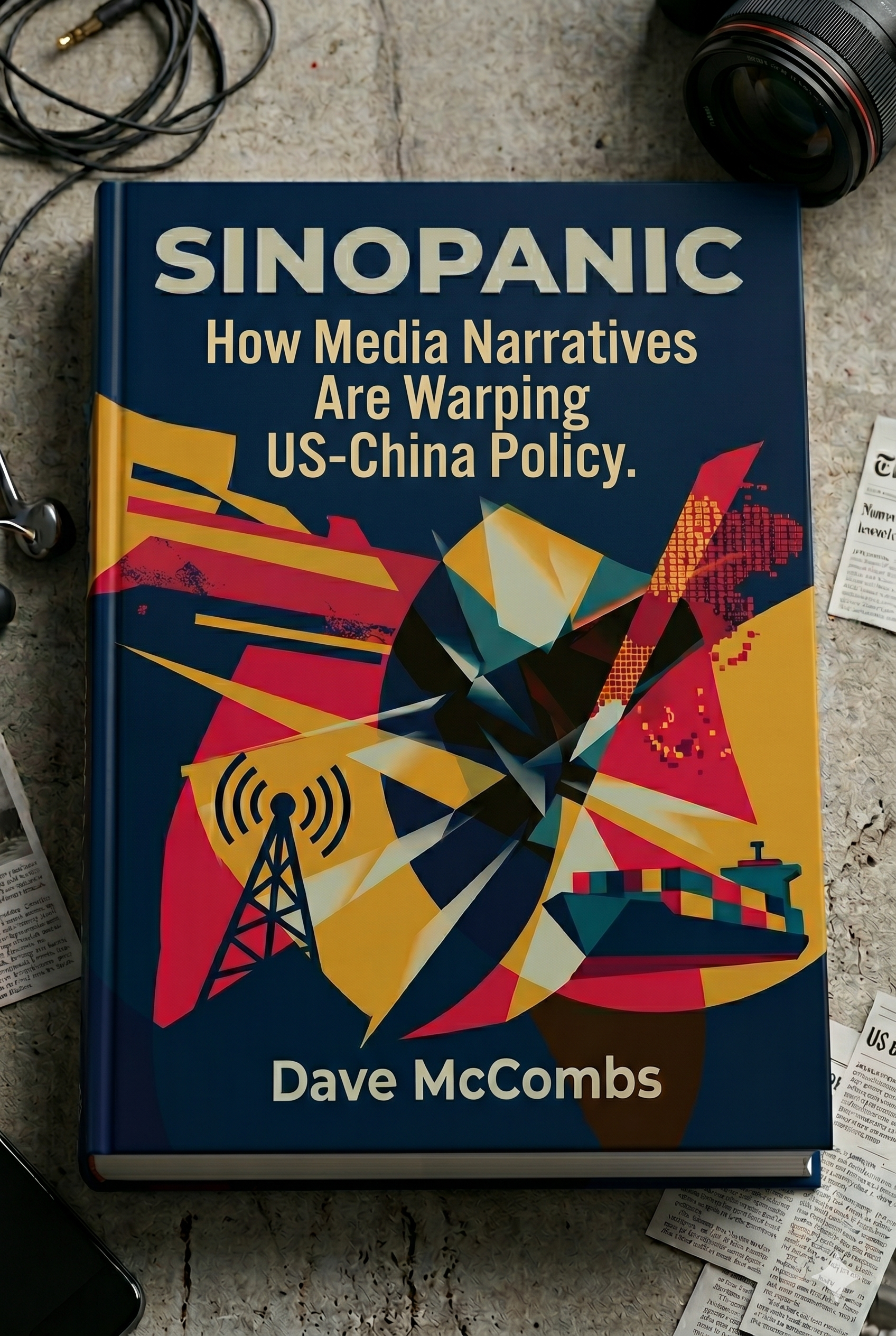
Too Paranoid to Check
An old newsroom joke says some stories are just too good to check. But there’s nothing funny about the way unsupported narratives have flourished on the subject of China’s economic and geopolitical rise.
Sinopanic (due November 2026) explains the politically driven media hysteria that has led the US into counterproductive policy choices.
Sinopanic is not a defense of China’s Communist Party or leaders. It is an analytical critique of how hyperbole and pre-existing narratives trump the facts, poison discourse and steer policy into a ditch.

About the Author
Dave McCombs covered Asian financial markets for Bloomberg News for more than two decades. He served as an Editor for Global News and oversaw coverage of telecommunications, media and major family business empires across Japan, China and India. His front-row seat to currency swings, bond market upheavals and central bank decisions sparked a lasting fascination with the intersection of monetary policy, market psychology and cultural forces that shape economic history.
In the late 1980s and early 1990s, he covered commercial real estate and mass transit for The Los Angeles Downtown News. After moving to Japan in 1992, he worked as a staff writer at The Daily Yomiuri newspaper, then led Tokyo Journal magazine as editor-in-chief. As a father of three and remedial student of Japan’s language and culture, he has called Tokyo home for more than three decades.